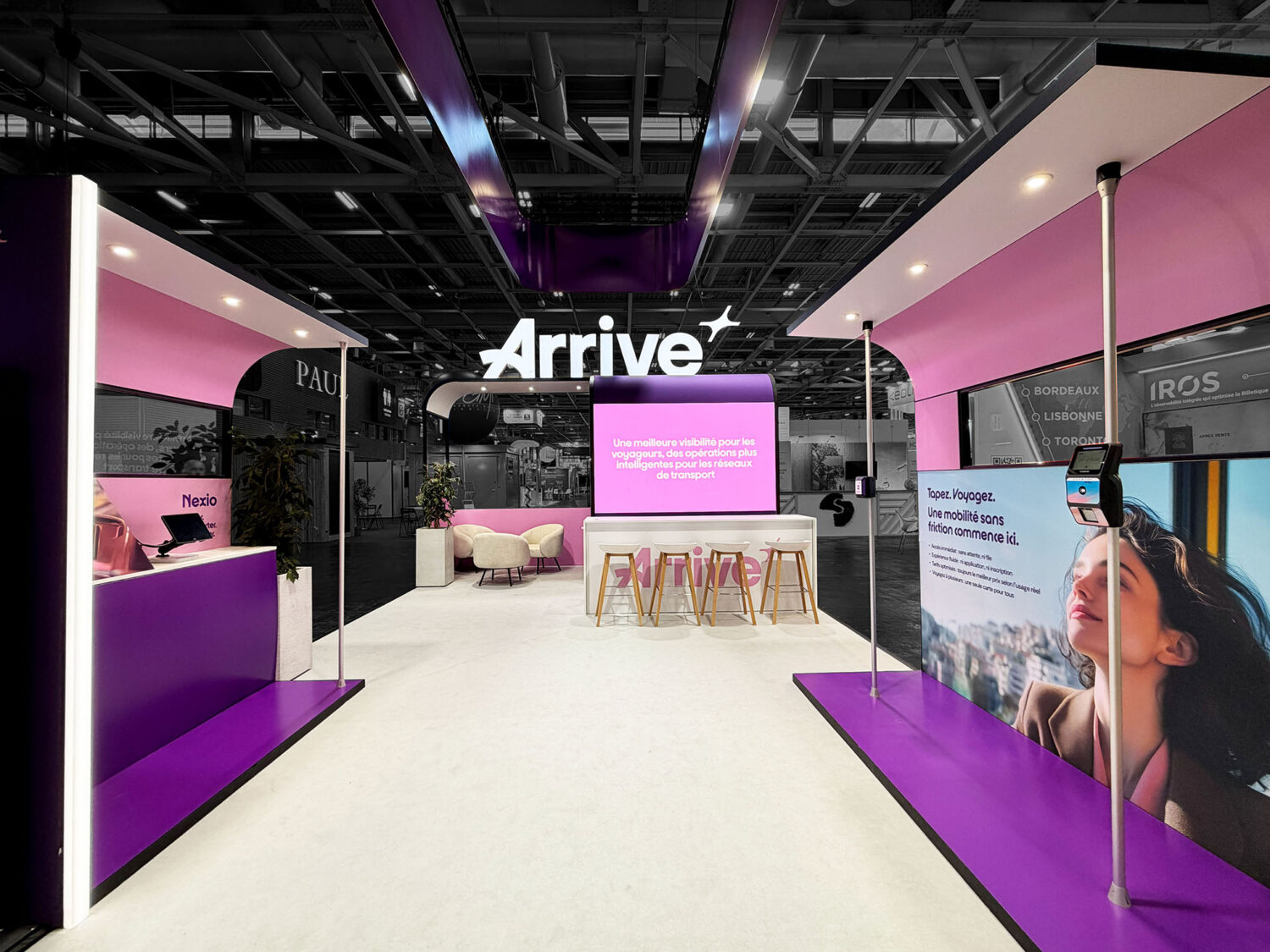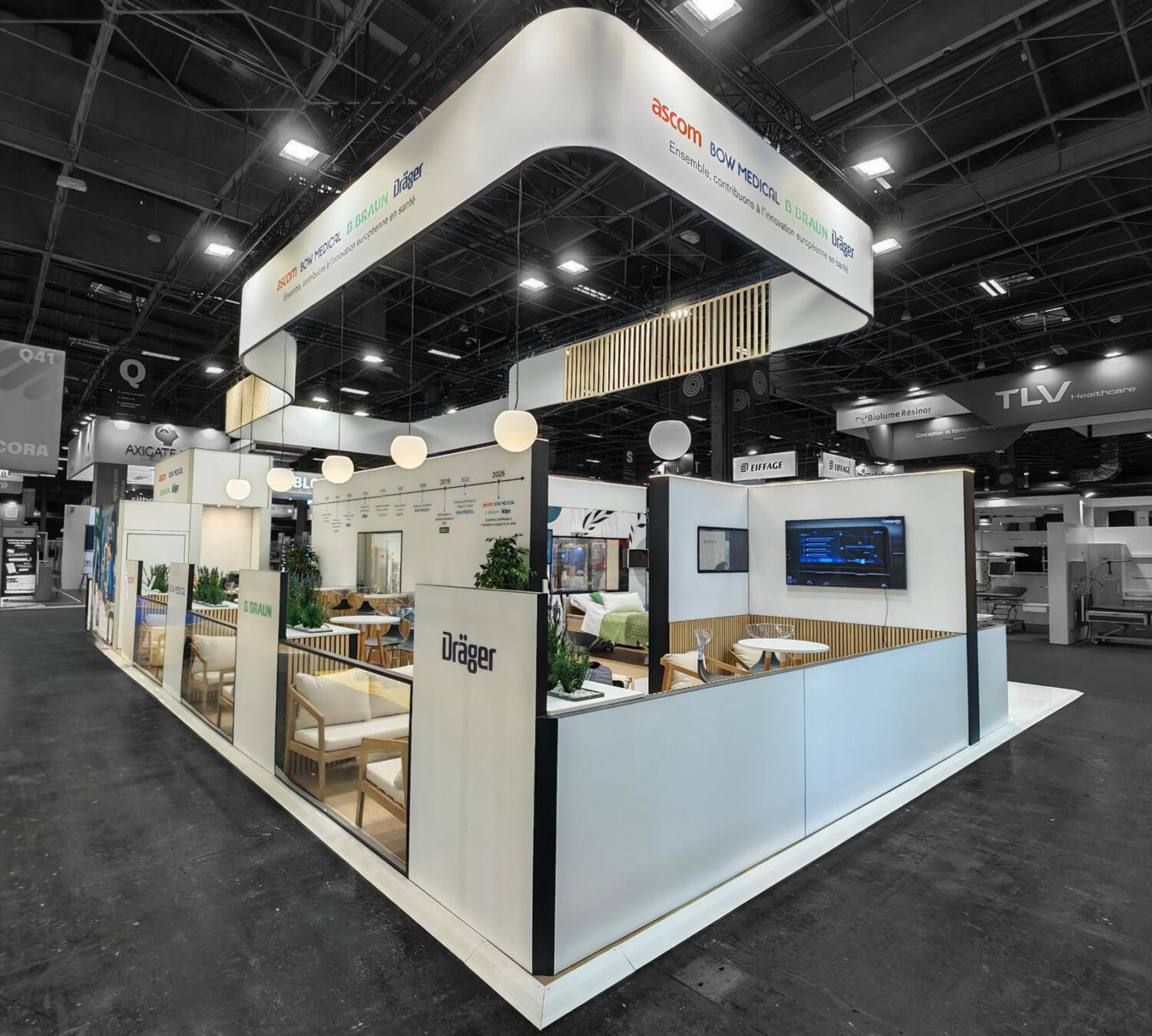
A booth is judged from a distance. It’s experienced while seated. And it’s there—on a stool or at a counter—that real conversations take place. Exhibition booth furniture isn’t just decoration: it’s your work tool for three days.
At ENJOY, we design and build it in our woodworking shop, just like the rest of the booth. And that makes all the difference at a trade show. Here’s why.
Table of Contents
- Exhibit furniture isn't just for decoration—it helps get the job done
- The Four Pieces of Furniture That Really Get the Job Done
- Should I rent living room furniture or have it custom-made?
- How We Make Your Booth Furniture
- A piece of furniture that serves a new purpose
- Who Is It For?

Exhibit furniture doesn't just decorate—it helps people work
Every piece of furniture has a purpose. A bench provides a welcoming place to sit. A chair offers support. Storage keeps clutter out of sight. If a piece of furniture doesn’t fulfill any of these three functions, it just takes up space—nothing more.
The benefit is immediate. A visitor who sits down stays. A visitor who stays listens. And a team that has a place to put its things can go three days without anyone noticing. The exhibition booth furniture doesn’t stand out in photos. It shows up in the list of contacts on Sunday evening.

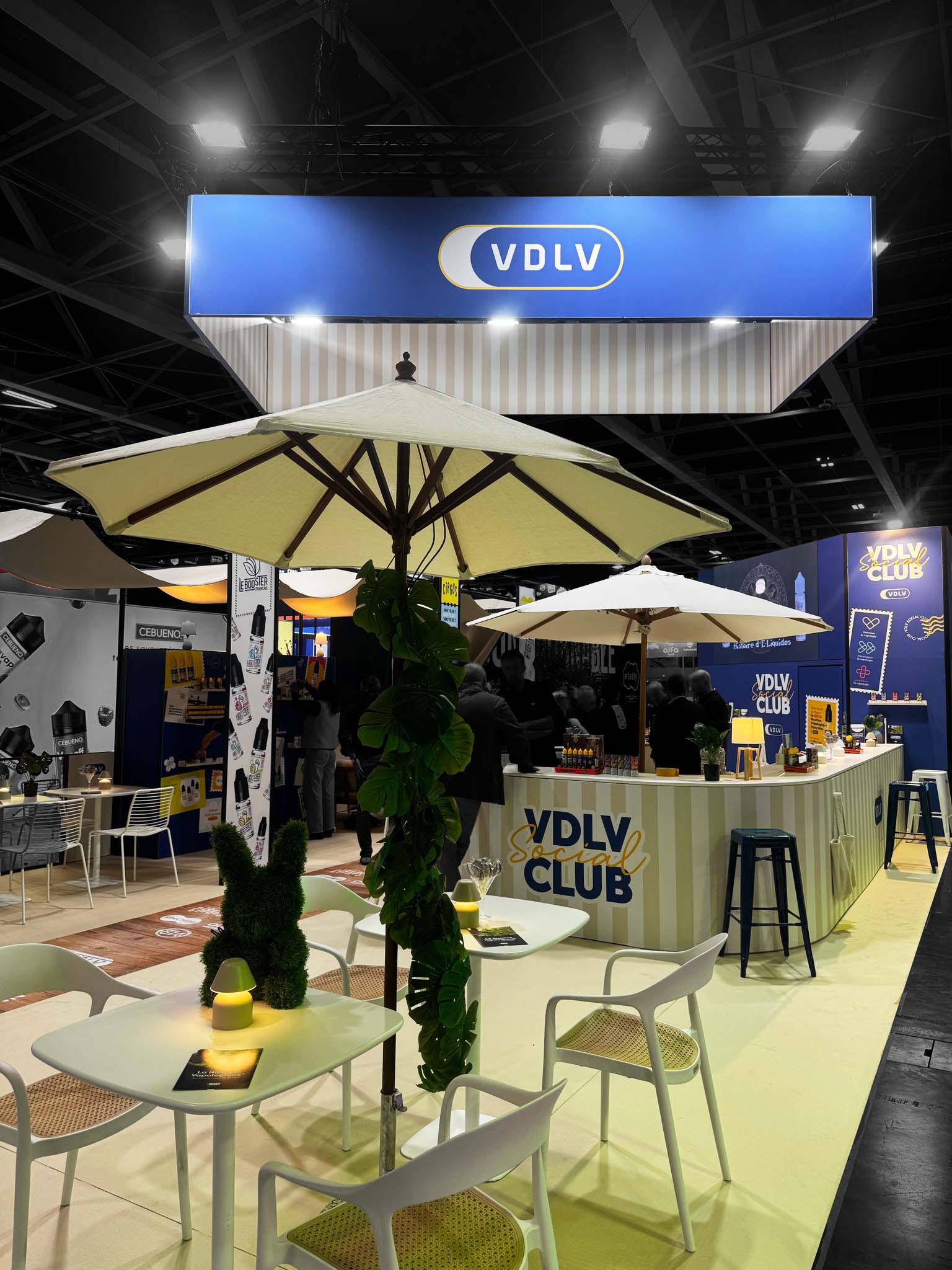
The Four Pieces of Furniture That Really Get the Job Done
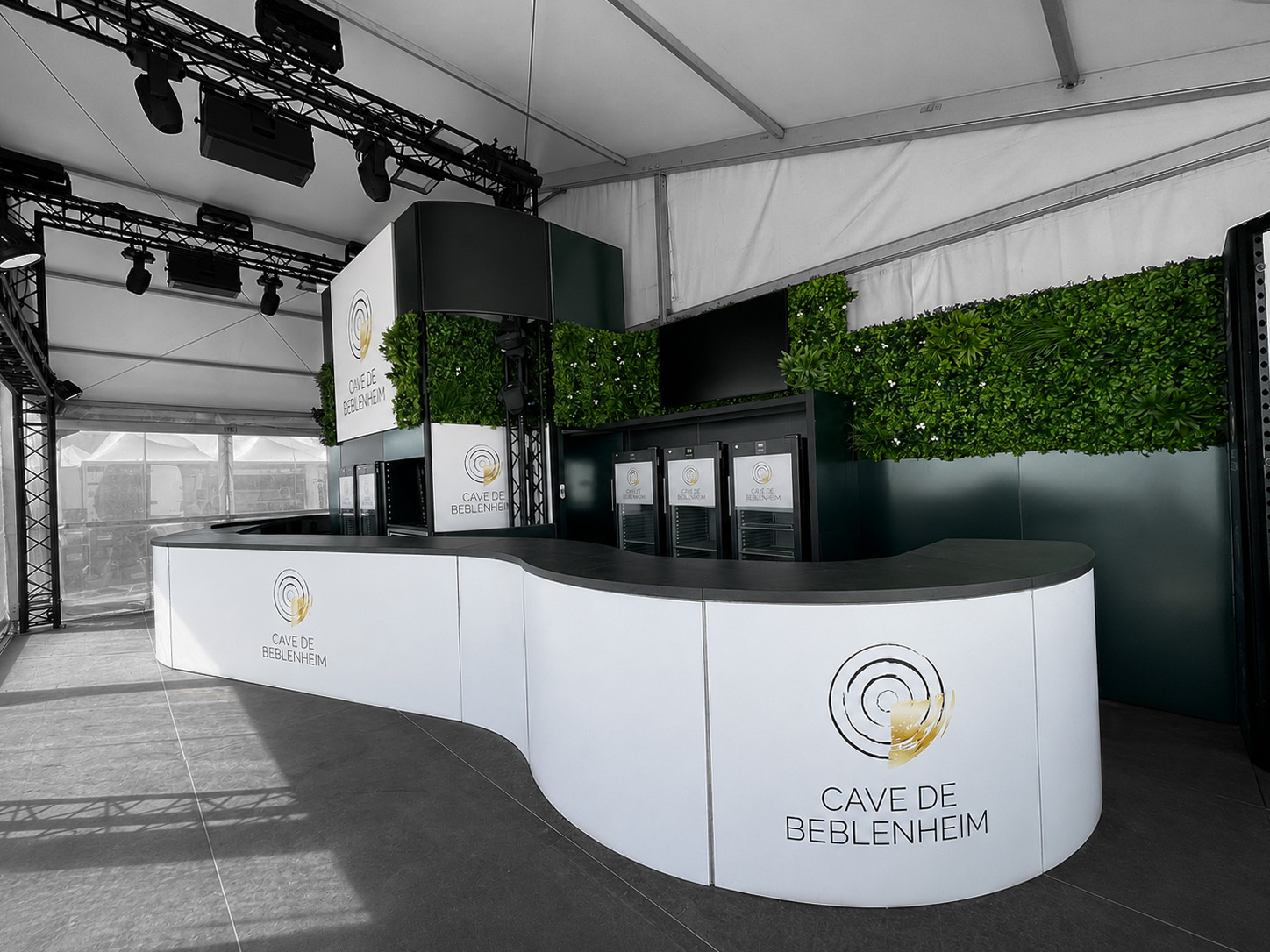
The reception desk—your first point of contact
It’s the most noticed piece of furniture at the booth. It sets the tone, displays your name, and tells people who to talk to. If it’s too tall, it acts as a barrier. If it’s too inconspicuous, no one knows where to go. The right height is the one that lets you see people’s faces.
The foundation—what turns a passing encounter into a conversation
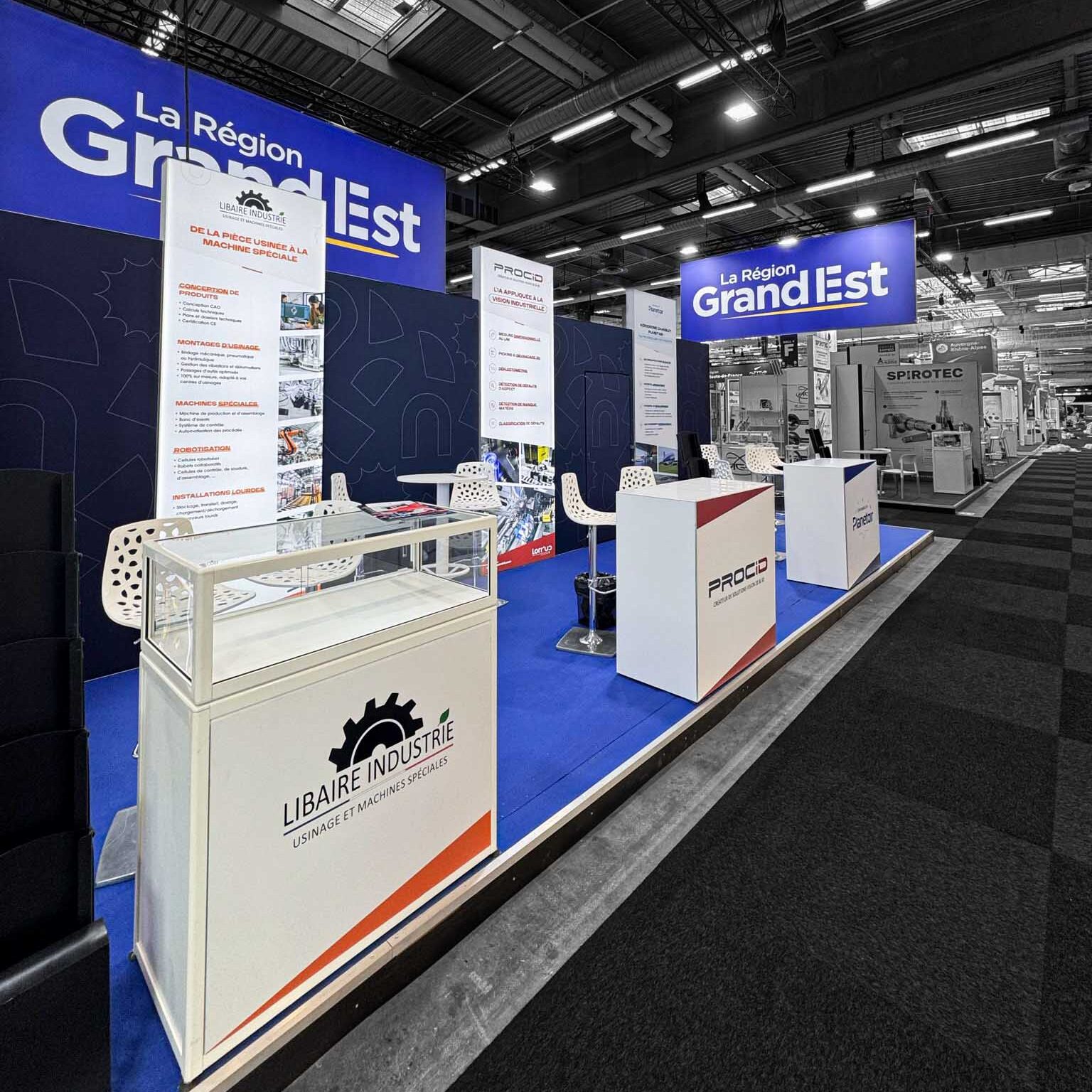
You don’t sign documents while standing in the middle of an aisle. A high stool for a quick exchange, a low armchair for an important meeting—that’s all you need. Three occupied seats are better than ten lined up in a row.
Storage: The Furniture You Don't See
Coats, bags, boxes of brochures, cups. All of these things exist, and they’re all visible when you haven’t planned for them. A closed storage area or space under the counter keeps the booth looking neat until it’s taken down.
The display window: Show without having to watch over it
Your products need to be seen, sometimes touched, and protected when necessary. A well-designed display frees up your team—allowing them to interact with customers instead of standing guard.

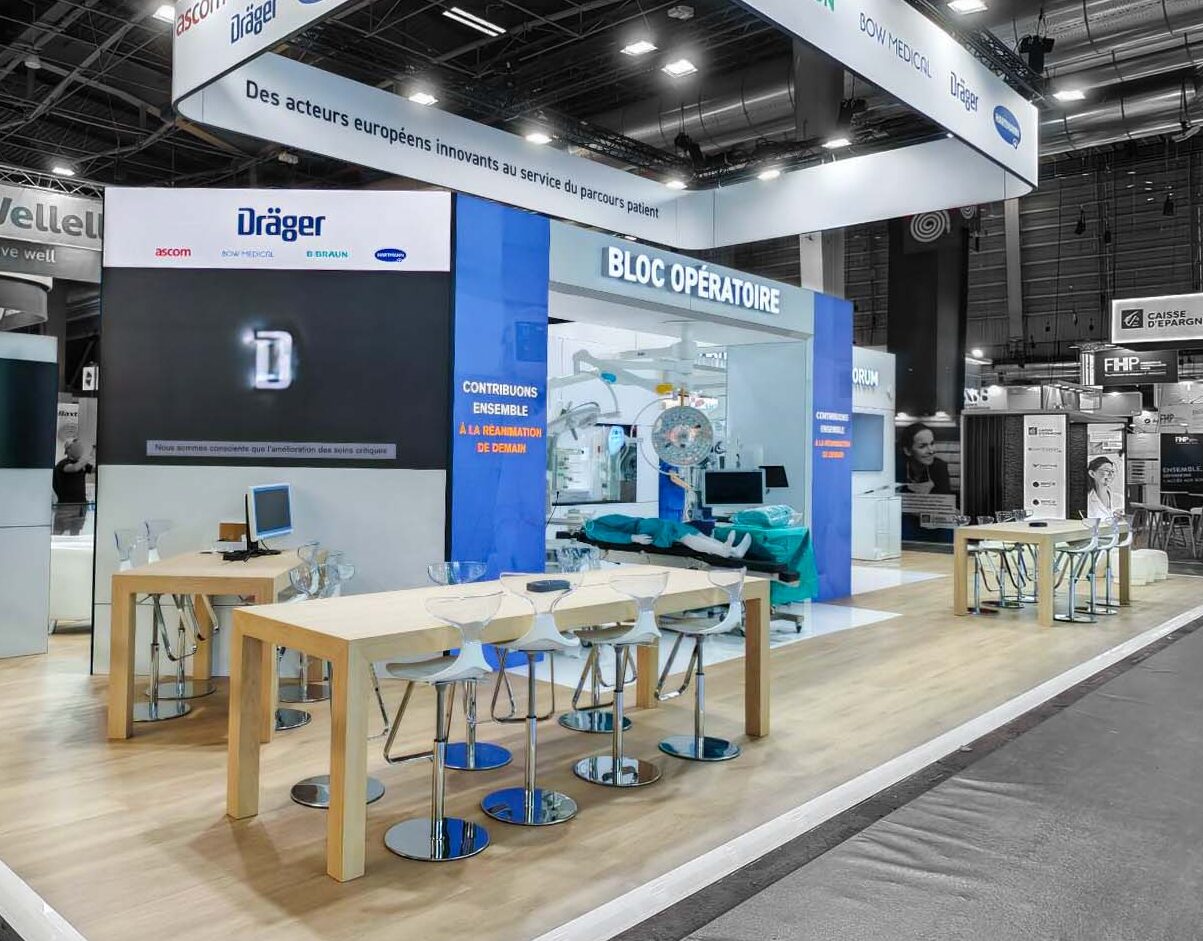
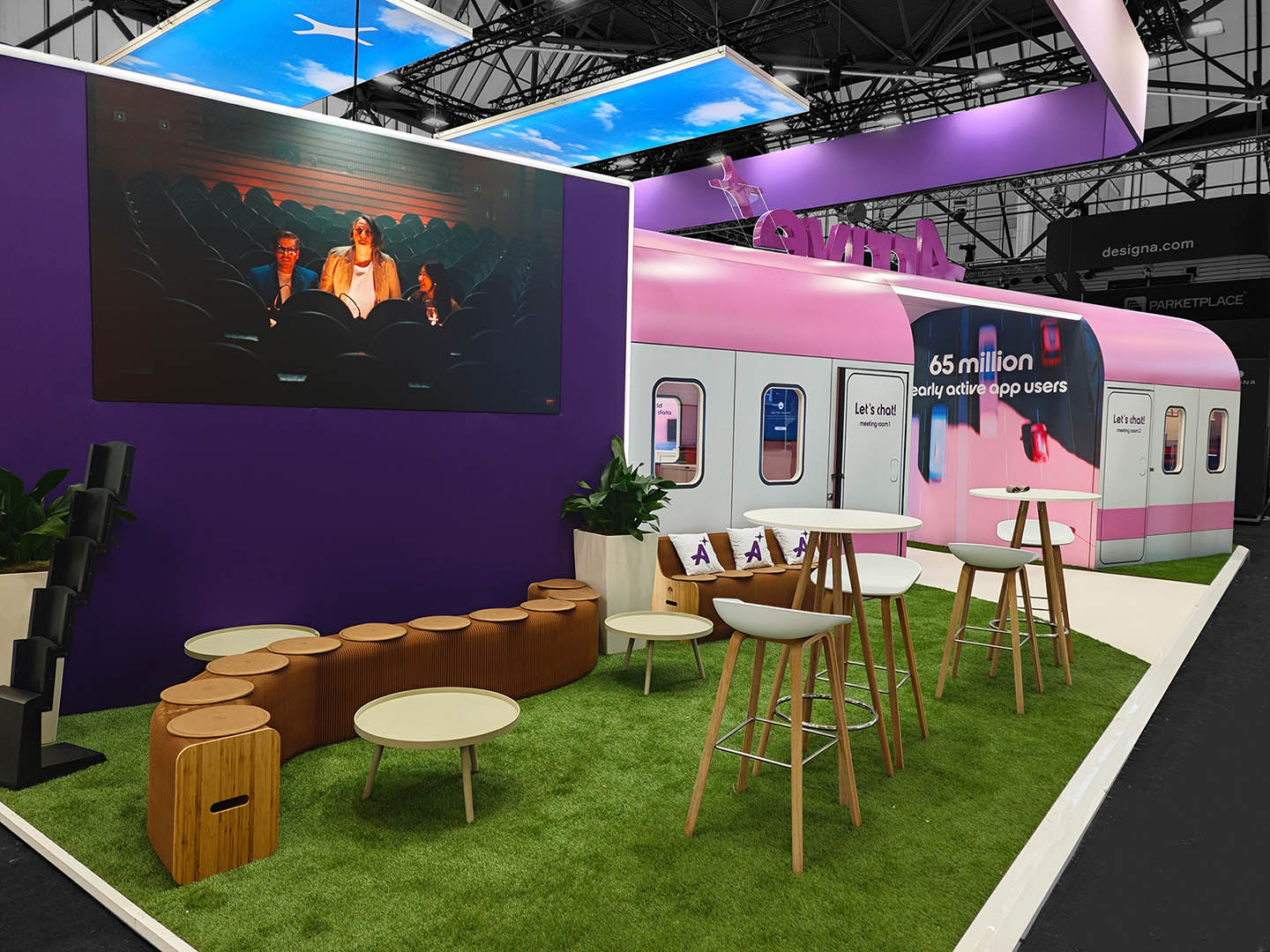
Should I rent living room furniture or have it custom-made?
Let's be honest about both. Renting at the fair is simple: you check off items in a catalog, and everything is delivered on the big day. But it's standard furniture—the kind your neighbors down the aisle might also have—and it's taken away on Sunday evening without a trace.
Custom-made furniture does the opposite. It reflects your brand’s colors, fits your floor plan down to the centimeter, and belongs to you. For a one-time trade show, renting makes sense. But once you’re attending two or three trade shows a year, the math flips. To take it a step further, here’s how to lay out the space before furnishing it, and how to choose your base—whether it’s a customizable booth or a custom-built one.

How We Make Your Booth Furniture
It can be broken down into five steps.
- First, the process. We’ll observe how your team works at the trade show: who greets visitors, who gives demonstrations, and who negotiates.
- Next, the layout. Furniture is arranged according to the layout—never the other way around. A piece of furniture that blocks traffic flow is a failed piece of furniture.
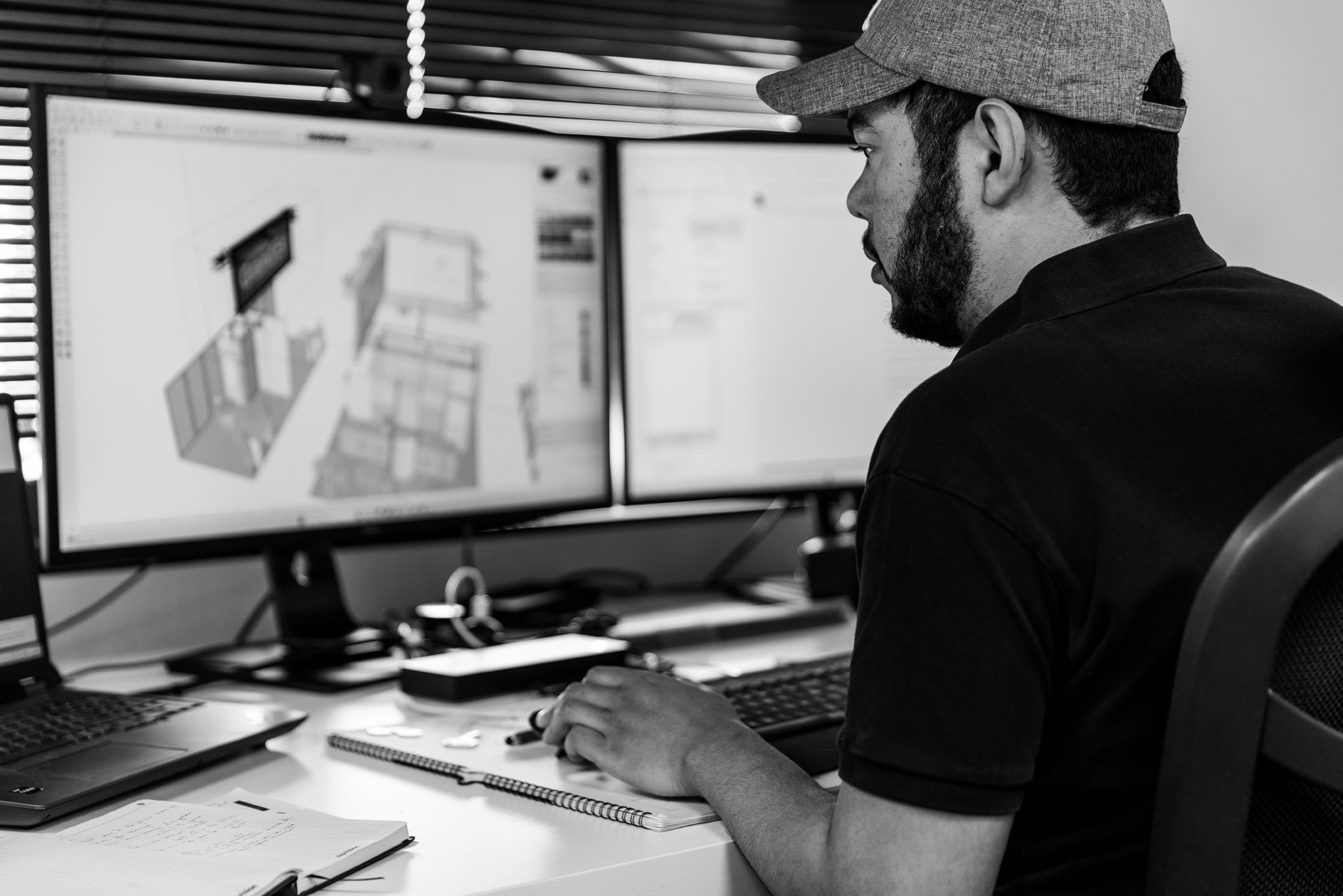
- Then there's 3D. You can see the dimensions, heights, and materials before we cut anything.
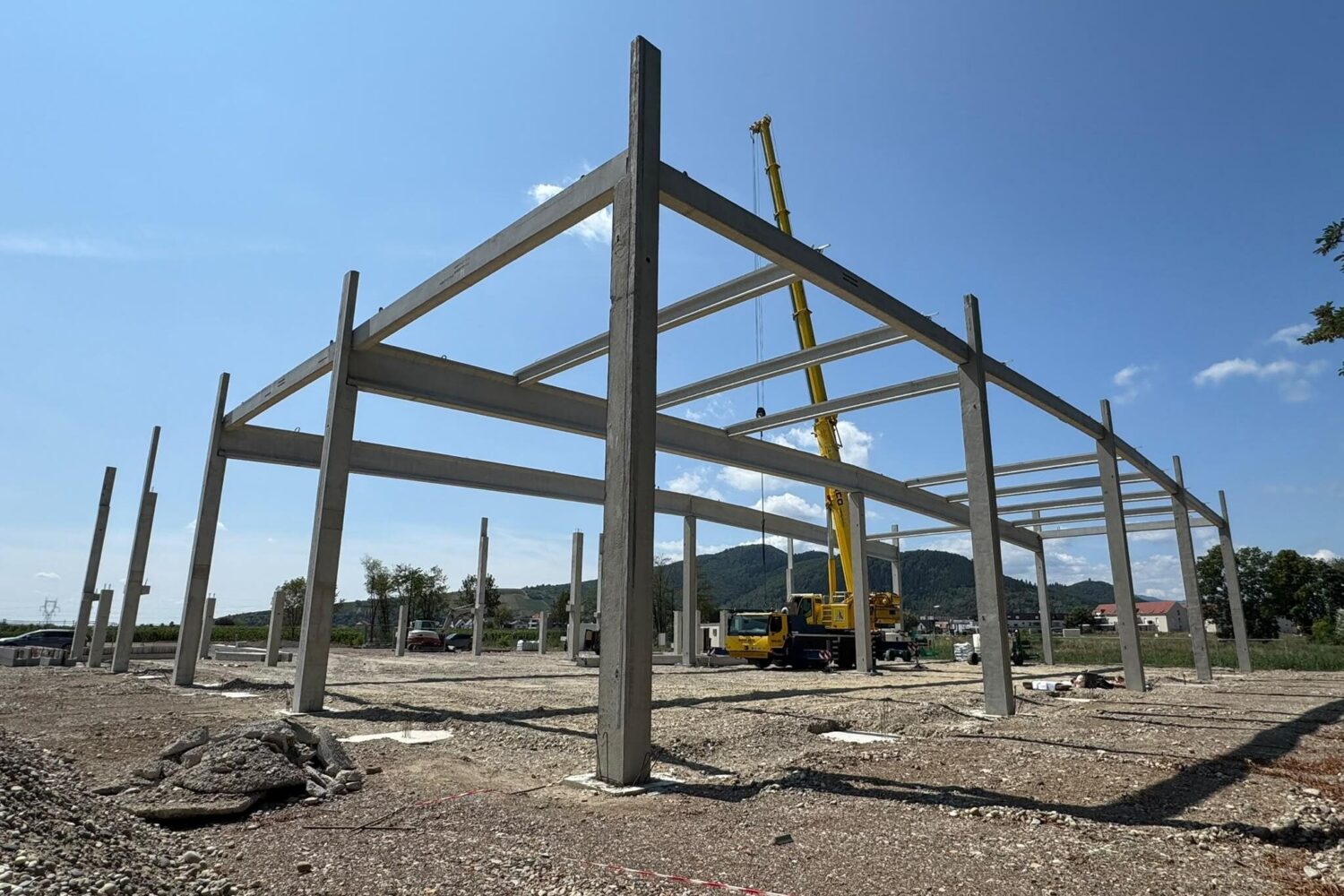
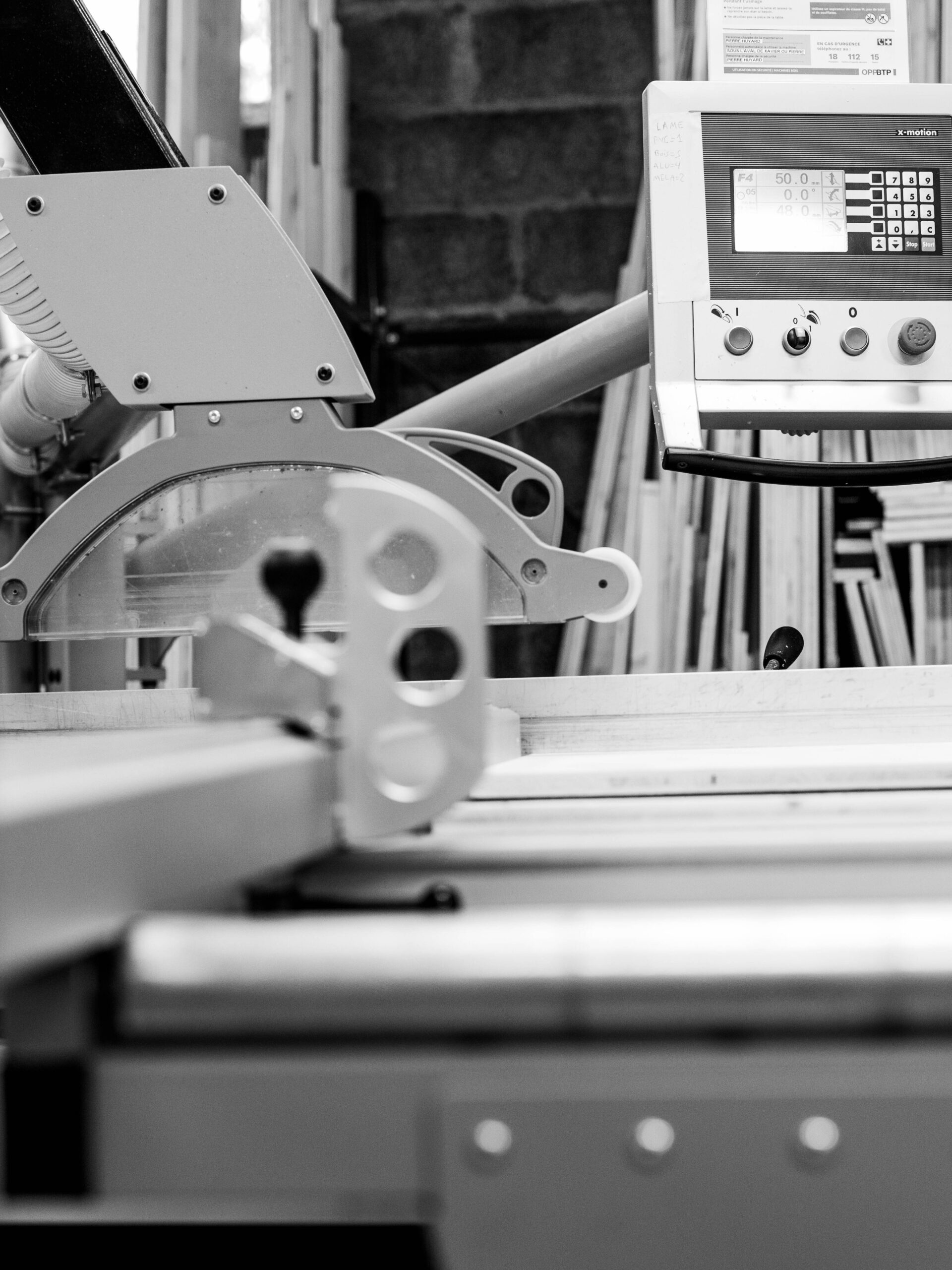
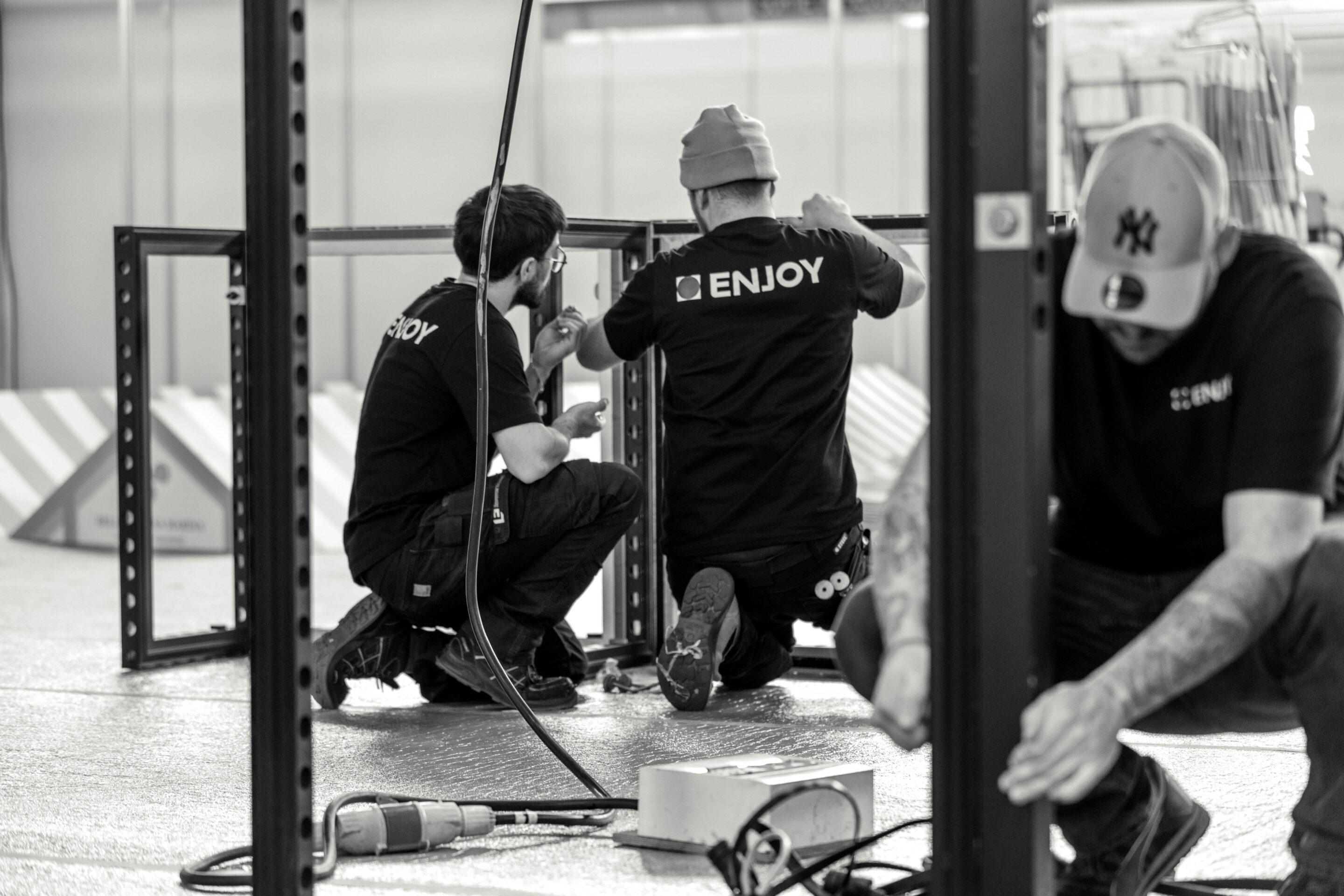
- Next comes the workshop. Carpentry, printing, finishing, electrical work—we do it all in-house, without outsourcing.
- Finally, the setup. We set everything up, secure it in place, and adjust the lighting in the display cases before the doors open.
A piece of furniture that serves a new purpose
Well-made furniture has no reason to end up in the dumpster on Sunday night. Assembled, disassembled, reassembled—never thrown away: we store it between events, and it’s off to the next trade show. The displays change, but the furniture stays. The Clairefontaine booth has operated this way at several European trade shows.
Our EcoVadis silver medal is a testament to this approach. It’s a standard that the entire events industry now upholds, with organizations such as UNIMEV leading the way.
Who Is It For?
For exhibitors who are tired of renting furniture every year that they never keep. And for those exhibiting in a 9 m² space, where a poorly chosen piece of furniture takes up a quarter of the booth.
In both cases, the question is the same: What can I do with this piece of furniture? Our projects show the answers, from small display units to island displays. Because, at the end of the day, visitors won’t remember what your stool looks like. They’ll remember that they sat down—and that you took the time to talk to them.
Your booth furnishings start here
At ENJOY, every project is a creation. Discover our expertise, then tell us where you’re exhibiting, to whom, and how your team works on-site. We’ll design the furniture to match.
→ Let's talk about your booth furnishings
ENJOY — Exhibition booth designers, image creators. Alsace | Paris | France & International