Discarded materials, single-use structures, waste piling up at the end of an event: for years, the exhibition industry turned a blind eye to eco-friendly booths. Today, leading brands can no longer afford to be so careless. Not just for ethical reasons; because their customers, partners, and their own values demand the highest level of responsibility
Eco-friendly booth design isn’t a compromise. It’s a goal. And when done right—
—it results in booths that are sustainable, smarter, and more beautiful in every sense of the word.

1. Think of the booth as a system, not just as a backdrop
Moving beyond the “one-shot” mindset
The classic mistake: treating eco-design as just another box to check off at the end of a project. “We use certified wood, so that’s taken care of.” No.
A true design process begins with the specifications. Before the first sketch is drawn, we ask the right questions: How often will this booth be used? At how many trade shows, and in how many different configurations? What needs to remain fixed, and what needs to be flexible?
Invest rather than spend
It is this upfront planning that turns a booth into an investment, not an expense. A booth designed to last for ten events does not have the same carbon footprint as one that is completely rebuilt for each edition. The logic is simple. The execution requires a systematic approach.
A good eco-design brief answers three fundamental questions: For how many uses? For which spaces? For what message over time?
2. Eco-friendly materials: choose thoughtfully
Performance, aesthetics, and responsibility: the three go hand in hand
The choice of materials is at the heart of eco-design. But “eco-friendly” does not mean “rustic” or “lacking in aesthetic appeal.” The best solutions combine performance, beauty, and sustainability.
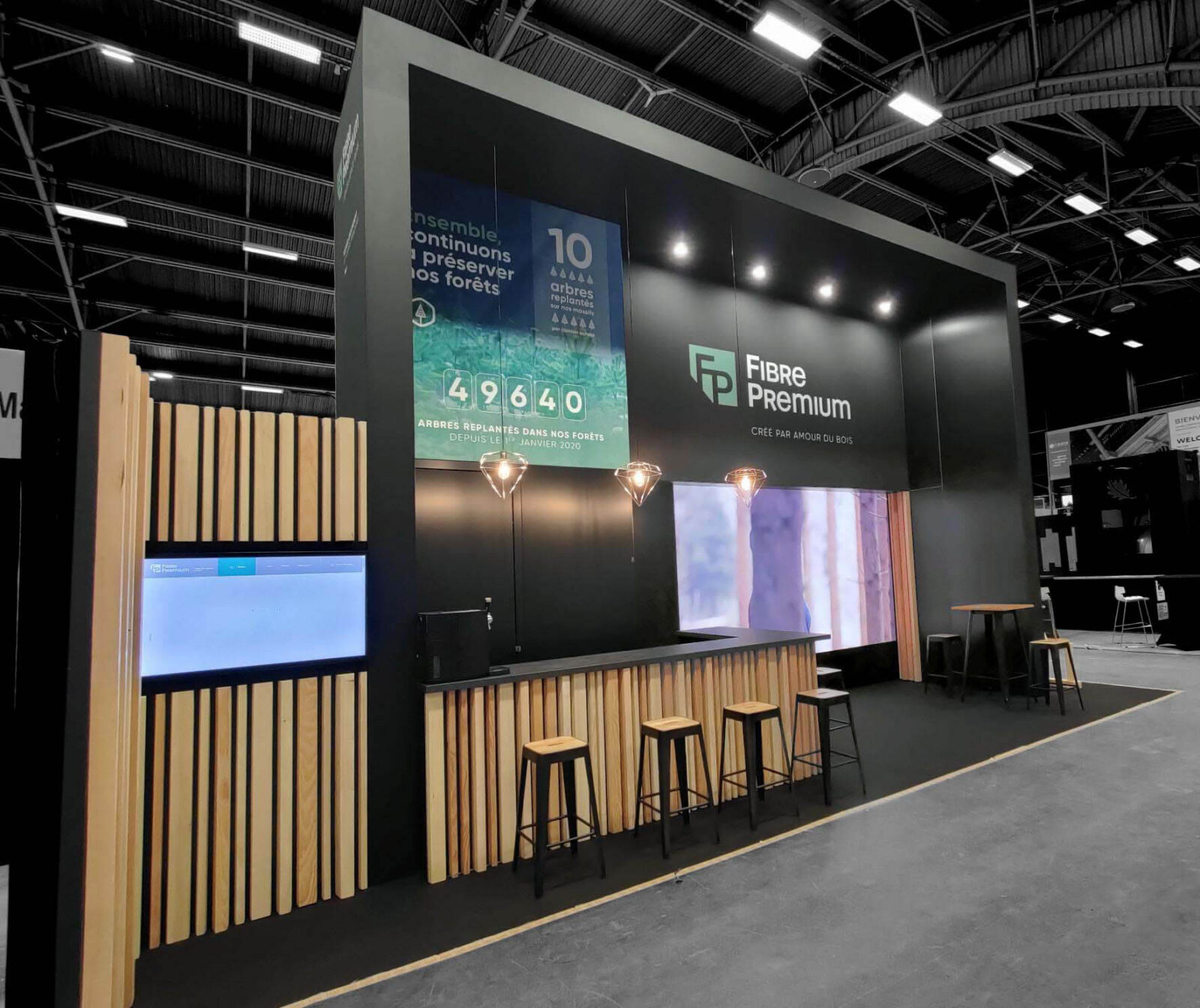
FSC- or PEFC-certified wood provides a solid, warm, traceable, and renewable foundation. Aluminum frames are appealing for their lightness and durability; they can be disassembled, reused, and recycled indefinitely. Technical textiles made from recycled materials are a superior alternative to PVC prints, which are too heavy to be properly recycled at the end of their life cycle.
New materials to keep an eye on
Panels made from natural fibers—such as hemp, linen, and bamboo—are gaining popularity due to their low carbon footprint and premium appearance. Water-based inks and solvent-free paints round out the picture, ensuring flawless and healthy finishes.
The right material is one that meets three criteria: it’s attractive, it’s durable, and you know what to do with it once the living room is finished.
3. Modularity: The True Driver of Sustainability
Adapting without repeating oneself
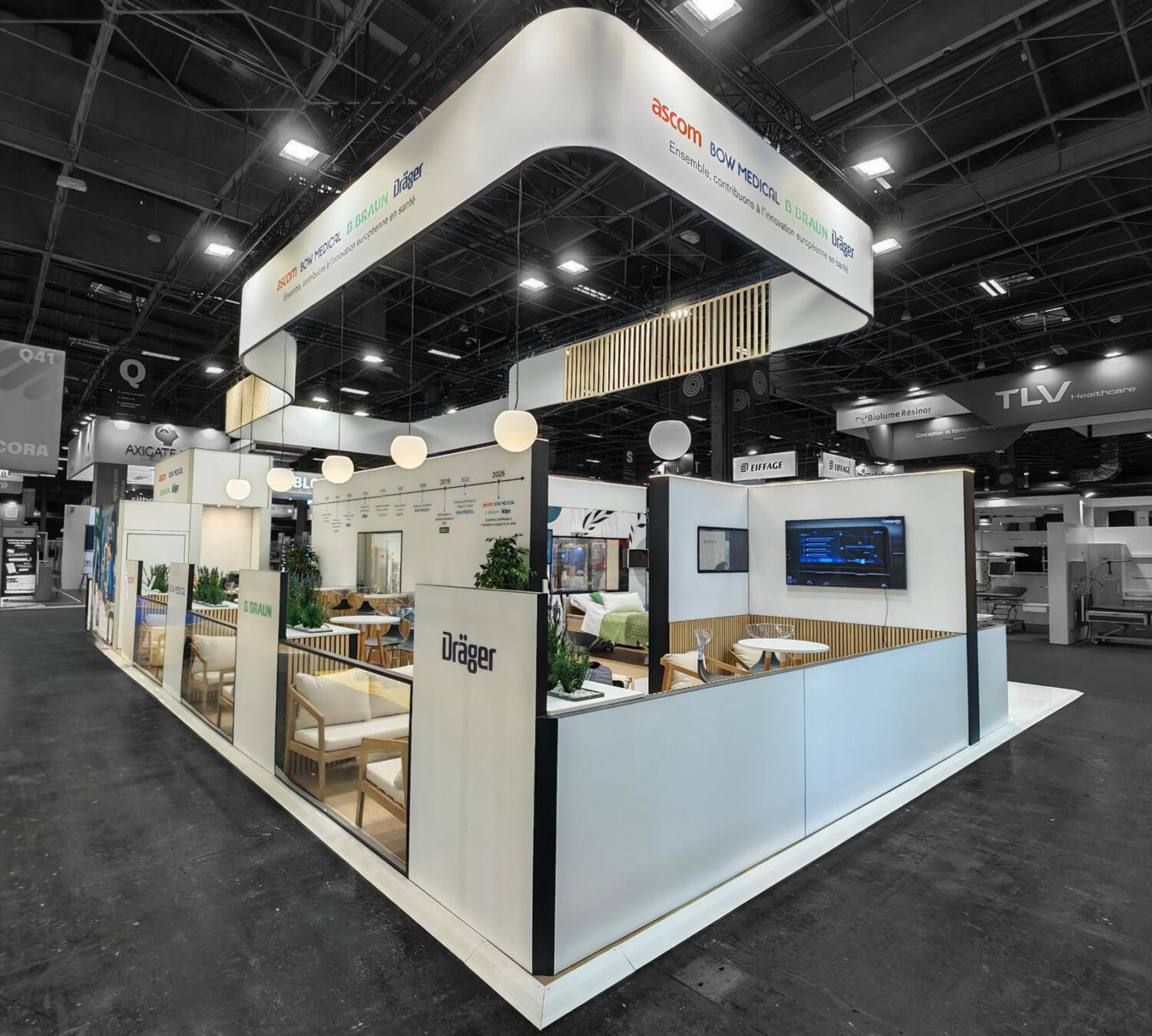
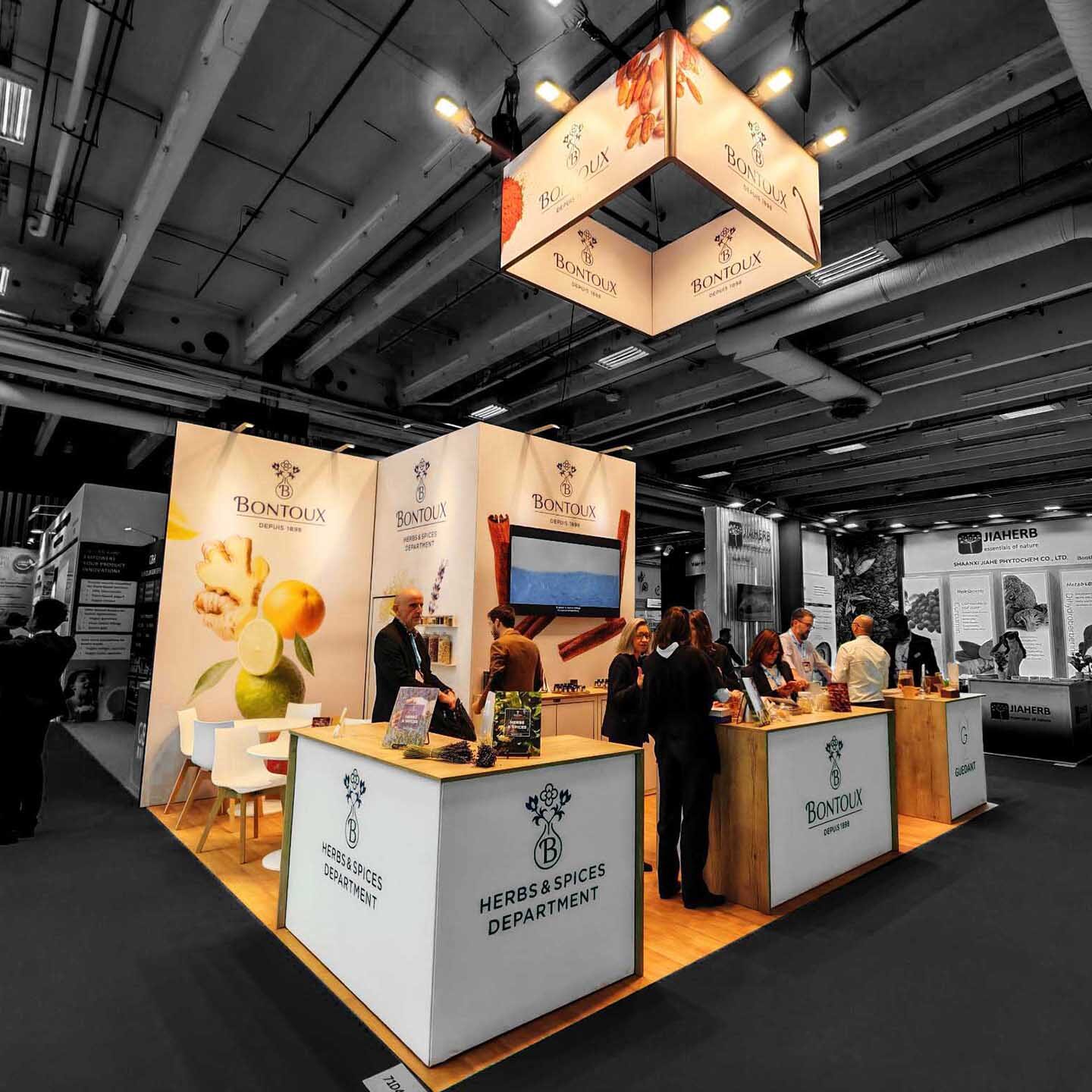
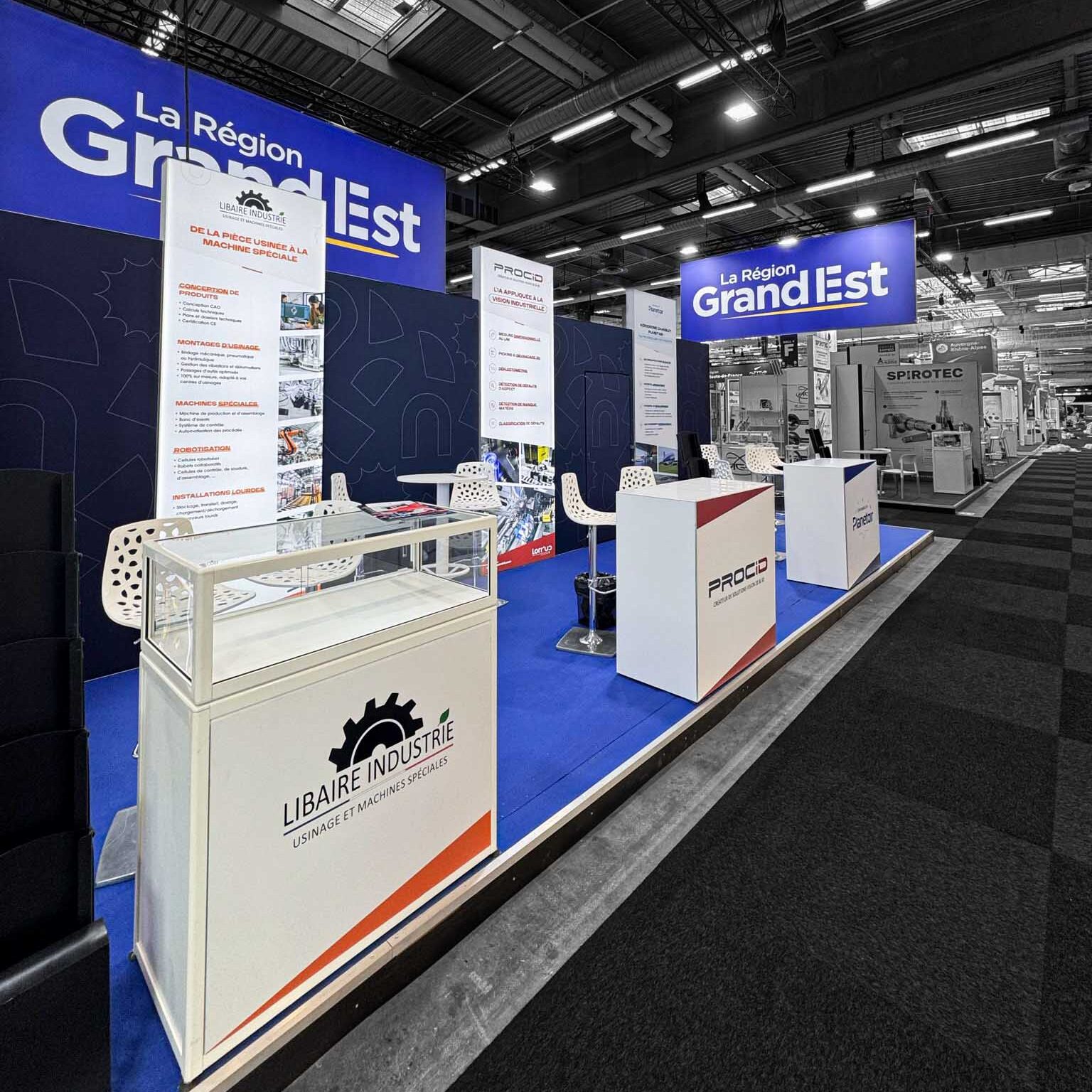
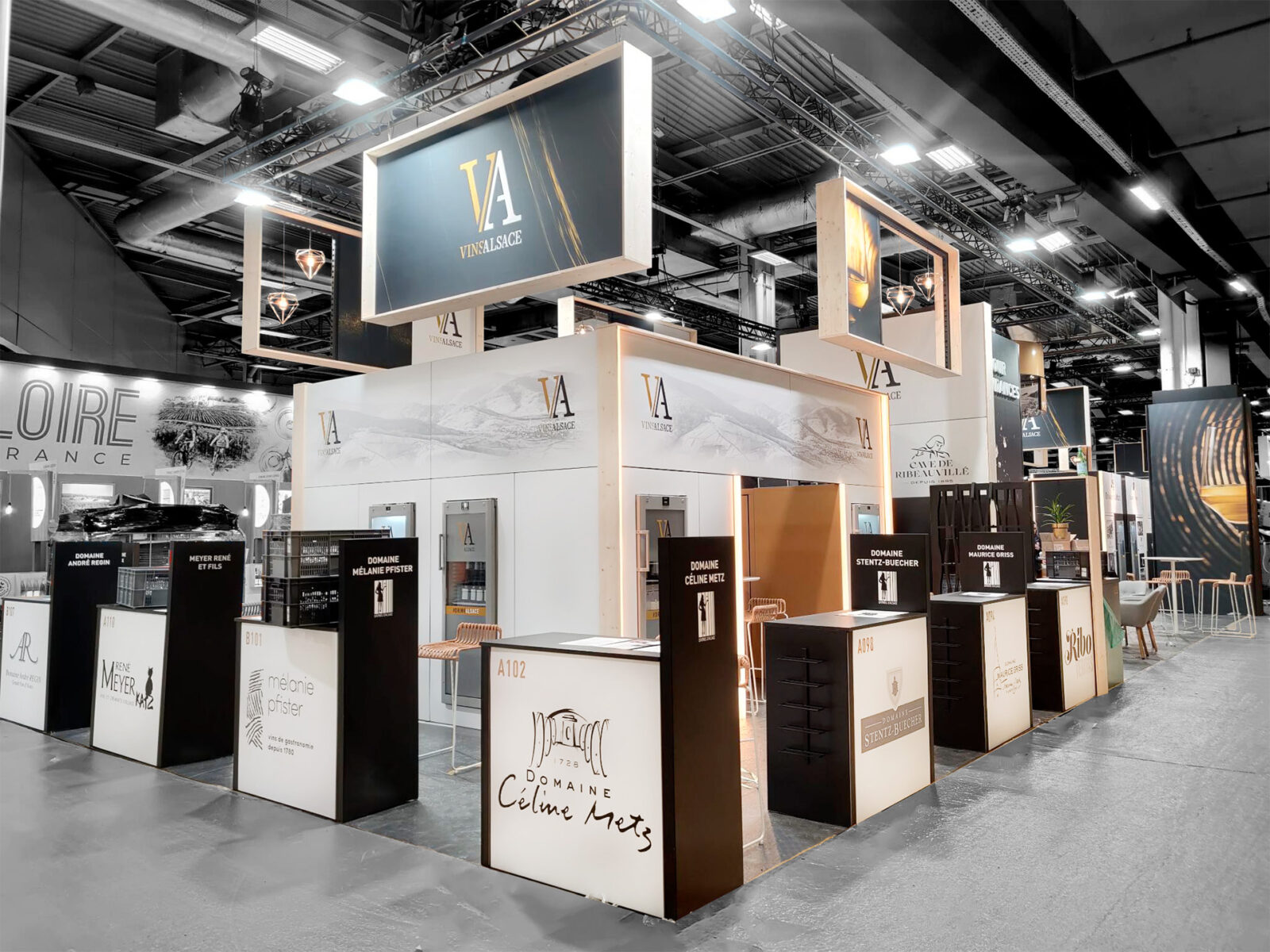
A modular booth is an eco-friendly booth that adapts—to the available space, the current budget, and the season’s message. It’s also a booth that doesn’t end up in the trash after three days of the show.
Modularity allows the same structural elements to be reused from one trade show to the next, changing only what needs to be changed: the visuals, the colors, and the layout. The result: less material produced, less transportation, and less waste.
A visual identity that evolves without starting from scratch
The real strength of modularity is that it doesn’t force you to choose between consistency and innovation. With a solid foundation and interchangeable components, your booth conveys a slightly different message each time—while remaining instantly recognizable.
That’s exactly what we build at ENJOY: systems designed to travel, be assembled, and transformed—without ever losing their impact.
4. Logistics: the blind spot of eco-design
Transportation and the carbon footprint: what the numbers say
We often talk about materials. We rarely talk about transportation. Yet it is one of the biggest contributors to an event’s carbon footprint.
An eco-friendly booth is one that folds down compactly. One that packs efficiently. One that takes up as little space as possible during transport. Every cubic centimeter saved in the truck means less CO₂ emissions on the road.
And there’s another key factor: the local aspect. Working with partners located near the exhibition venue means fewer miles traveled, lower emissions, and smoother logistics.
A responsible exhibition booth, therefore, requires a holistic approach: optimized design, efficient transportation, and a strong local presence.
Design for quick and easy assembly
This involves meticulous design of the assemblies, tool-free fastening systems, and components designed to fit together seamlessly. Shorter installation times also mean fewer labor hours on-site and less stress on the big day.
It’s the little things. That’s what makes the difference between a good intention and real action.
5. End-of-life: planning ahead from the design stage
Ask the question before the first trade show, not after the last one
A good eco-friendly booth has an end-of-life strategy. This isn’t something you think about after the last trade show; it’s something you factor in from the very beginning.
Can the components be disassembled separately for sorting and recycling? Are the materials compatible with local recycling programs? Can certain components be donated, resold, or reused in a different configuration?
From Waste to Resource: Changing Our Perspective
Thinking about the end of a product’s life means coming full circle. It means transforming something ephemeral into something sustainable. And sometimes, it means discovering that a dismantled sign becomes the starting point for another project.
The circular economy isn’t a pipe dream. It’s a method. And when it comes to exhibition stand design, it’s more applicable than you might think.
6. Eco-design: A Selling Point in Its Own Right
Consistency as a strong signal
Beyond just a commitment to the environment, an eco-friendly booth sends a powerful message. It tells your visitors, customers, and partners: we walk the talk. We put into practice what we stand for.
And this consistency often extends beyond the exhibition booth itself. Many brands today apply this approach across their entire event strategy, from exhibition booths to immersive experiences and brand installations—an approach that can be seen, for example, in the event productions led by ENJOY Live.
In a climate where buyers are increasingly mindful of the practices of the brands they support, demonstrating a genuine commitment at your booth will boost your credibility and appeal.
From Commitment to Differentiation
Eco-design is no longer just a nice-to-have. It’s a strategic approach. Companies that have grasped this don’t just aim to “do less harm”—they create a visible, tangible, and memorable difference.
And a booth that embodies this difference is one that continues to work for you long after the visitors have left.
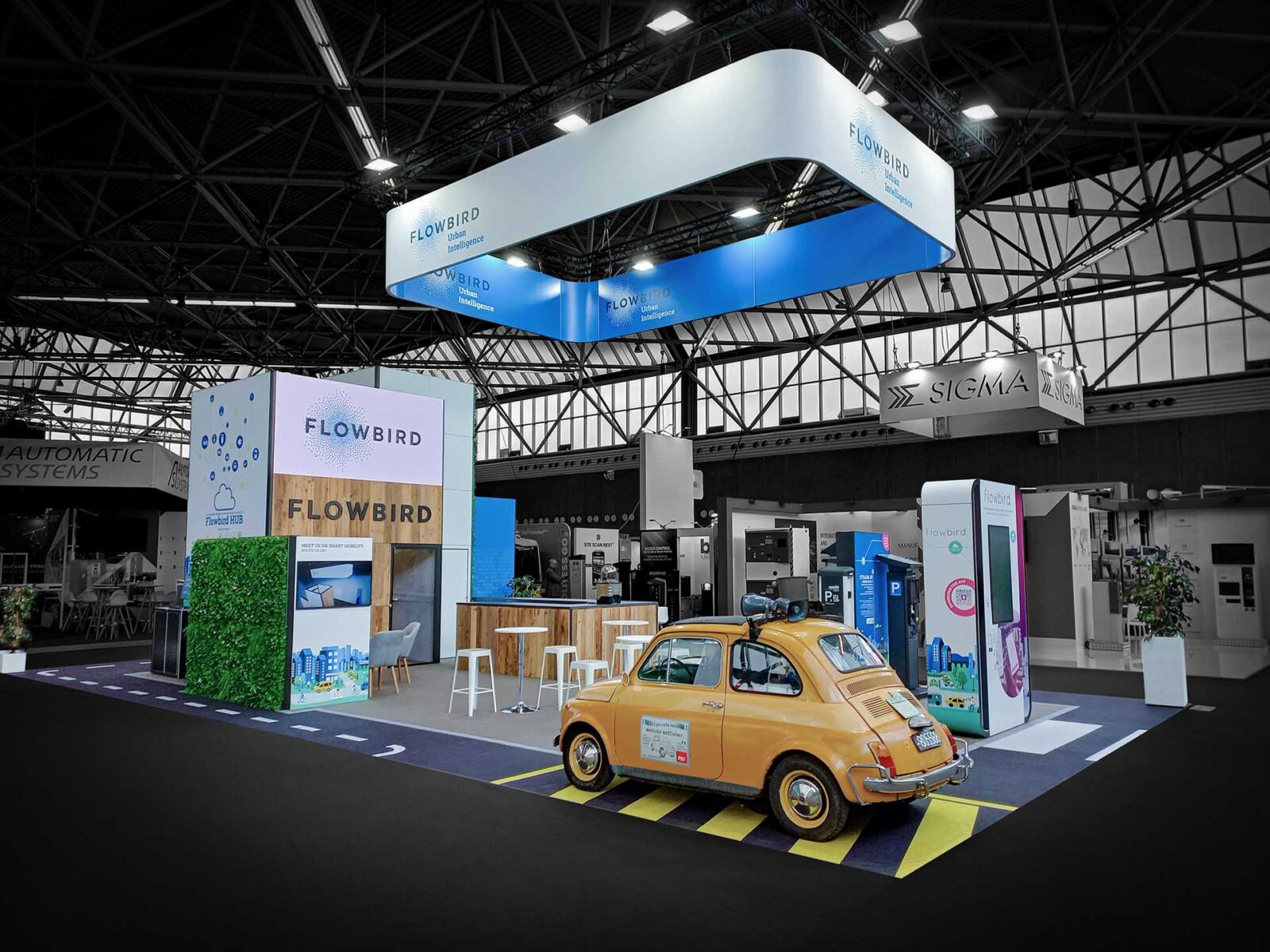
An eco-friendly booth isn’t just a fad. It’s a shift in perspective.
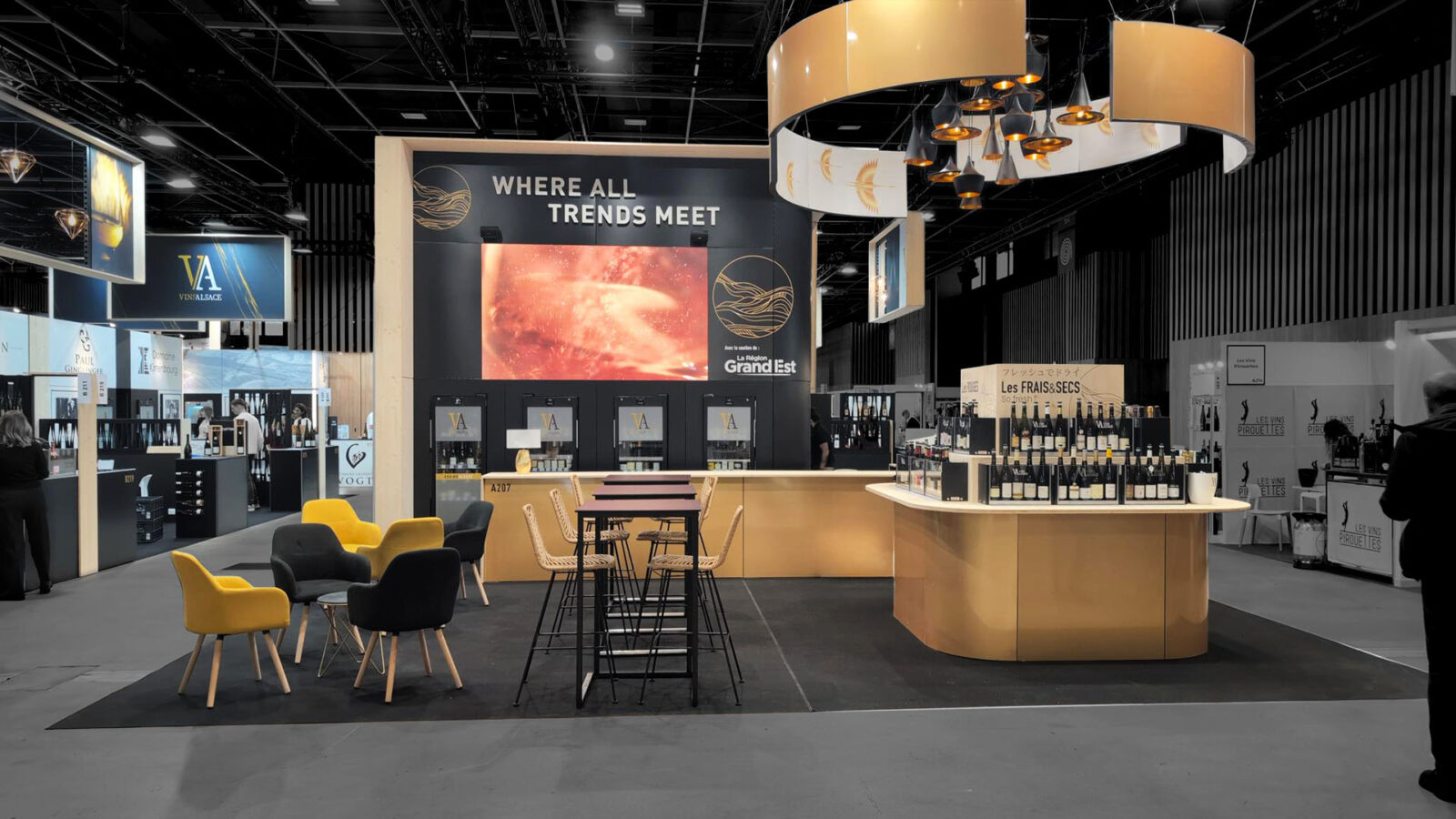
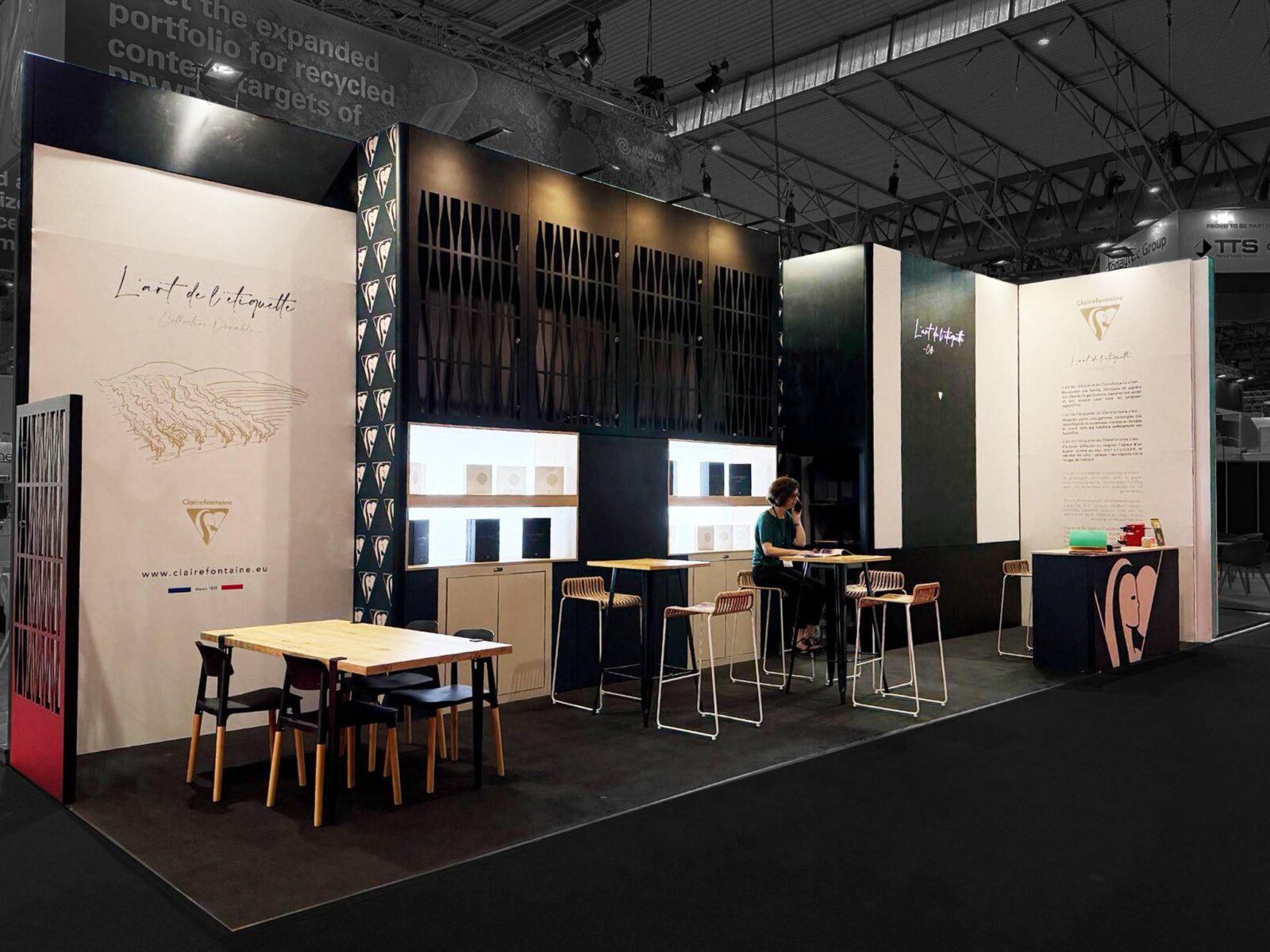
Stop viewing an exhibition booth as a disposable prop, but rather as a system designed to be sustainable. Consider every material, every assembly, and every route as a decision that matters. Understand that environmental constraints do not stifle creativity—they sharpen it.
The most memorable booths of tomorrow won’t necessarily be the biggest ones. They’ll be the ones designed with the greatest care, purpose, and responsibility. Don’t do less. Do better. That’s what it’s all about.